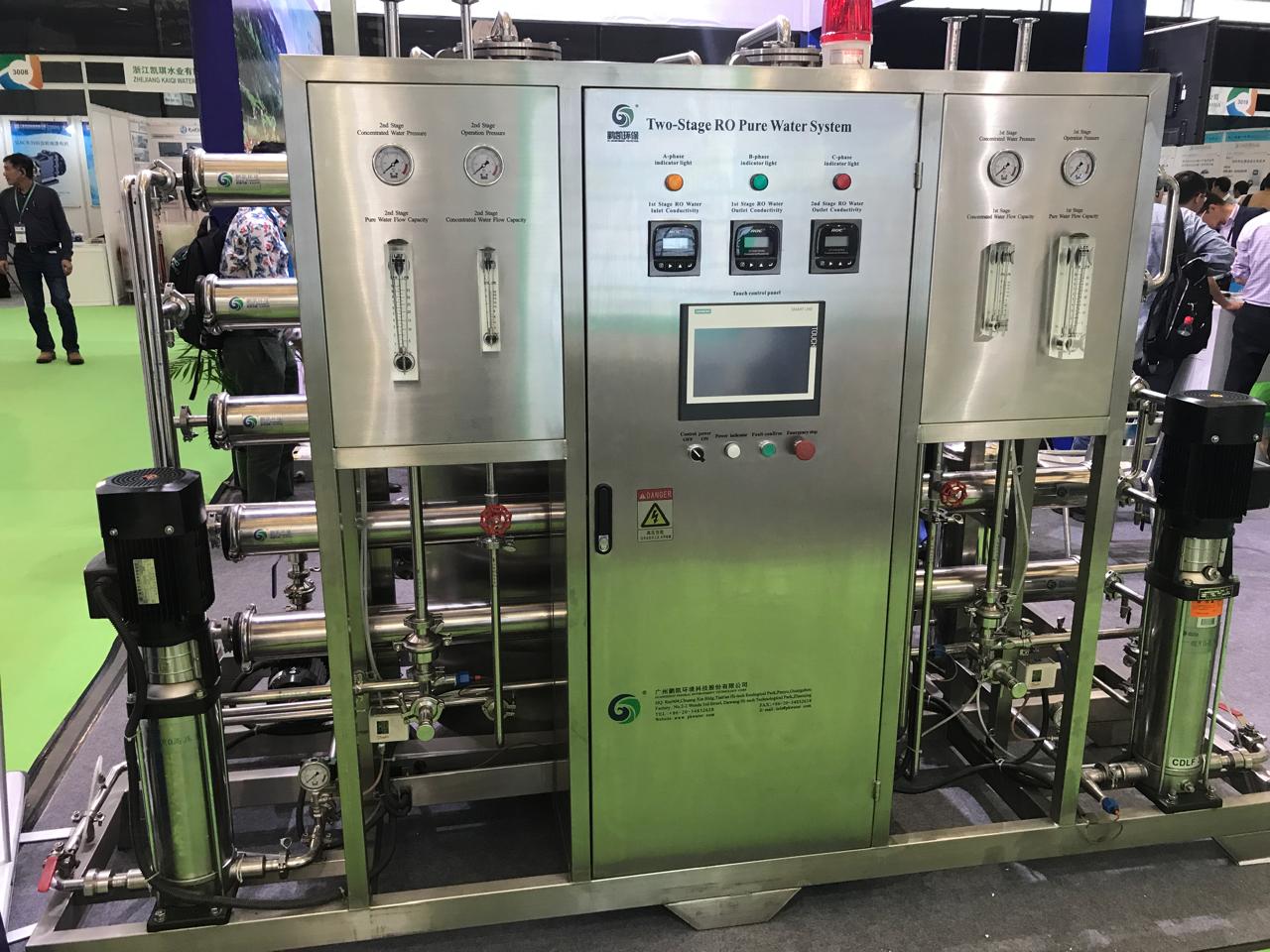
Zero Liquid Discharge (ZLD) is an advanced wastewater treatment approach in which all wastewater generated by an industry is treated and reused, leaving no liquid effluent for discharge. In a ZLD system, wastewater first undergoes pre-treatment to remove solids and oils, followed by primary chemical or biological treatment to reduce organic pollutants. The water then passes through advanced processes like Reverse Osmosis (RO) to concentrate dissolved salts, and the resulting brine is sent to evaporation and crystallization units, where solids are recovered and water is reclaimed. ZLD is widely used in industries such as textiles, tanneries, chemicals, pharmaceuticals, and power plants, where water reuse is critical or environmental regulations are strict. Although highly effective in conserving water and minimizing pollution, ZLD systems are capital- and energy-intensive and require careful operation and maintenance.