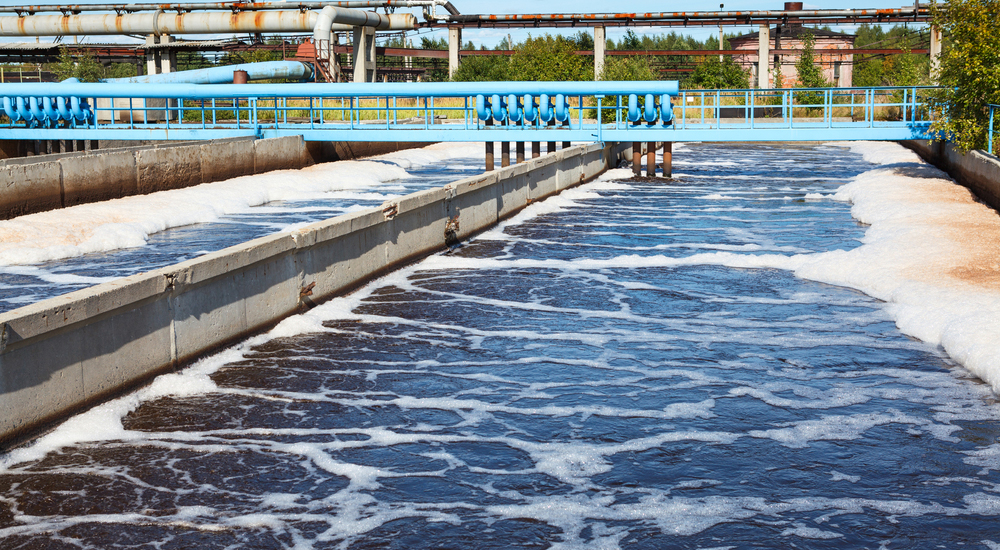
Surface
A Surface Water Treatment Plant (SWTP) is designed to treat water collected from natural sources like rivers, lakes, ponds, or reservoirs, making it safe for drinking, domestic, or industrial use. Surface water often contains suspended solids, turbidity, microorganisms, organic matter, and sometimes dissolved contaminants. The treatment generally follows multiple steps: intake and screening (to remove large debris like leaves, sticks, or plastics), coagulation and flocculation (adding coagulants to destabilize fine particles and form larger flocs), sedimentation (allowing flocs and suspended matter to settle), filtration (passing water through sand, gravel, or advanced membranes to remove fine particles and microbes), and disinfection (using chlorine, ozone, or UV to kill pathogenic microorganisms). In some cases, pH adjustment and activated carbon treatment are added to remove taste, odor, or specific chemicals. Surface water treatment plants are essential for municipal water supply systems and for industries that rely on freshwater sources. They ensure the water meets quality standards, protecting public health and preventing operational issues in industrial processes. However, because surface water is easily affected by pollution, seasonal variation, and microbial contamination, treatment plants must be carefully designed and consistently monitored to maintain safe and reliable water output.