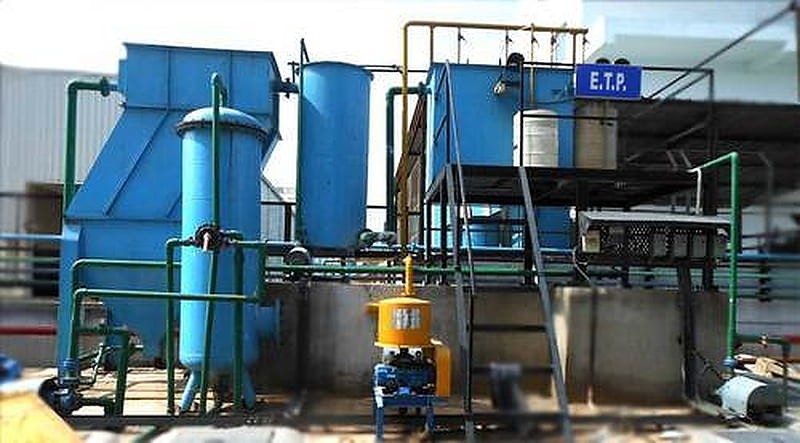
Chemical
A chemical ETP is an Effluent Treatment Plant that relies mainly on chemical processes to treat industrial wastewater, rather than biological methods. In this type of system, chemicals such as coagulants, flocculants, pH adjusters, oxidizing or reducing agents, and precipitants are added to the effluent to remove impurities. The treatment typically includes neutralization (adjusting acidic or alkaline wastewater to a safe pH), coagulation–flocculation (binding fine suspended particles into larger flocs), precipitation (removing heavy metals and toxic salts), and oxidation/reduction (breaking down or converting harmful compounds). After chemical treatment, the water passes through a clarifier or settling tank where the formed sludge is separated, and the clarified water may undergo further polishing if required. Chemical ETPs are especially used in industries where wastewater contains toxic chemicals, dyes, heavy metals, oils, and non-biodegradable compounds that cannot be effectively treated by biological methods alone—for example, in textiles, pharmaceuticals, electroplating, tanneries, and chemical manufacturing. However, they often have higher operational costs due to continuous chemical consumption and generate a significant amount of chemical sludge that requires safe disposal.